Popular Searches
- Cancer Types
- Treatment
Popular Searches
- Cancer Types
- Treatment

Popular Searches
Anal cancer develops when abnormal cells grow uncontrollably in the tissues of the anus.
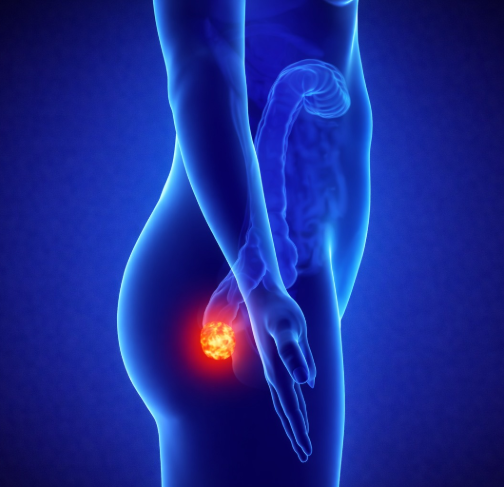
Anal cancer develops when abnormal cells grow uncontrollably in the tissues of the anus, the opening at the end of the digestive tract where stool leaves the body. Although relatively rare, its incidence has been increasing in recent decades, with persistent infection from high-risk human papillomavirus (HPV) identified as the primary cause.
The most common type is squamous cell carcinoma, which arises from the cells lining the anal canal. Less common types include adenocarcinoma, melanoma, and neuroendocrine tumors.
At OncoClinic, we support you with appropriate diagnostics, clear explanations, and a personalized care plan tailored to your diagnosis, overall health, and goals.
Persistent anal symptoms should be evaluated by a healthcare professional.
There is no routine population-based screening for anal cancer in the general population.
Screening methods in high-risk groups may include:
Targeted surveillance may be considered for individuals at higher risk, such as:
Screening strategies should be individualized and discussed with a healthcare provider.
Anal cancer is usually diagnosed after symptoms prompt evaluation or abnormal screening results.
Diagnostic evaluation typically includes:
Once anal cancer is confirmed, staging determines how far the disease has spread and helps guide treatment.
Staging evaluation may include:
Anal cancer is staged from Stage I to Stage IV:
At our clinic, anal cancer care is delivered through a multidisciplinary, patient-centered approach. Treatment is tailored based on cancer stage, tumor characteristics, and overall health.
Chemoradiation: The standard treatment for most anal cancers is a combination of chemotherapy and radiation therapy, which can often cure the disease while preserving anal function.
Systemic therapy: Chemotherapy or immunotherapy may be used for advanced or metastatic disease.
Surgery: Surgery is usually reserved for cases where cancer does not respond completely to chemoradiation or for recurrent disease. When surgery is indicated, procedures are performed at our accredited partner hospitals, under the direct coordination and supervision of our medical team, ensuring continuity of care.
Palliative and Supportive Care: Supportive care focuses on symptom control, pain management, nutritional support, emotional well-being, and quality of life at all stages of disease.
American Cancer Society, 2026
National Cancer Institute (NCI), 2026
NCCN clinical practice guidelines in oncology: anal carcinoma
National Comprehensive Cancer Network (NCCN), latest version