Popular Searches
- Cancer Types
- Treatment
Popular Searches
- Cancer Types
- Treatment

Popular Searches
Breast cancer is a disease that begins in the cells of the breast, typically in the ducts or lobules.
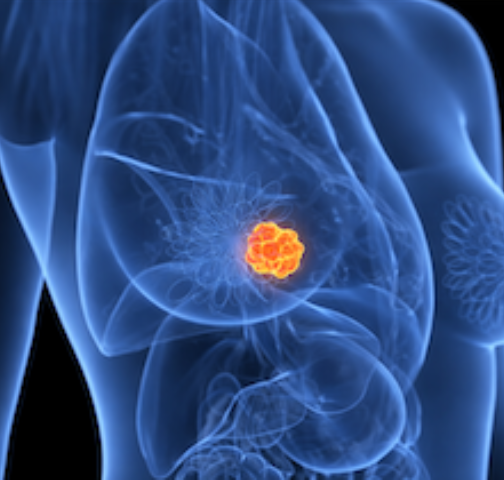
Breast cancer happens when abnormal cells in the breast begin to grow and multiply in an uncontrolled way—most often starting in the milk ducts or lobules. It is the most common cancer among women; however, men can also develop the disease.
Early detection plays a key role in improving outcomes. Regular screening can help identify changes at an earlier stage—sometimes before you can feel anything—and it can also provide reassurance when results are normal, helping alleviate doubts and reduce unnecessary worry.
At OncoClinic, we combine advanced diagnostics with clear explanations and personalized treatment planning. Our goal is to provide precise, effective care tailored to your specific situation—so you can move forward with confidence, whatever the results show.
Any new or persistent breast change should be evaluated by a healthcare professional.
Screening helps detect breast cancer early, often before symptoms appear, leading to simpler treatment and higher recovery chances. Regular screenings can save lives by identifying changes early.
Breast cancer is diagnosed when an abnormality found on screening or clinical examination is confirmed. Diagnostic evaluation typically includes:
Following a biopsy, pathology and molecular testing are conducted to further analyze the tumor and guide treatment planning. This includes assessment of:
Staging describes how advanced the cancer is and helps doctors choose the most appropriate treatment. Breast cancer staging is based on the size of the tumor in the breast, whether cancer has spread to nearby lymph nodes, and whether it has spread to other parts of the body such as the bones, liver, lungs, or brain.
At OncoClinic, breast cancer care is delivered through a multidisciplinary, patient-centered approach. Treatment is tailored according to cancer stage, tumor biology, and overall health.
Surgery: Surgery is a mainstay of breast cancer treatment and may include lumpectomy or mastectomy. When surgery is indicated, procedures are performed at our accredited partner hospitals, under the direct coordination and supervision of our medical team, ensuring continuity and quality of care.
Systemic therapy: Treatment is selected based on the tumors' biological profile and may include:
Radiation therapy: Radiation therapy is commonly used after surgery to reduce the risk of recurrence.
Combined treatment strategies: Many patients receive a combination of surgery, radiation, and systemic therapy to achieve the best outcomes.
Palliative and supportive care: Supportive care focuses on symptom management, emotional support, survivorship care, and quality of life at all stages of disease.
Breast cancer overview
American Cancer Society, 2026
Breast cancer – patient version
National Cancer Institute, 2026
NCCN clinical practice guidelines in oncology: breast cancer
National Comprehensive Cancer Network (NCCN) – NCCN, 2023
Breast cancer treatment
Waks AG, Winer EP – JAMA, 2019
Breast cancer
Harbeck N et al. – Nature Reviews Disease Primers, 2019