Popular Searches
- Cancer Types
- Treatment
Popular Searches
- Cancer Types
- Treatment

Popular Searches
Liver cancer develops when abnormal cells grow uncontrollably in the liver, an organ that plays a vital role in digestion, metabolism, and detoxification.
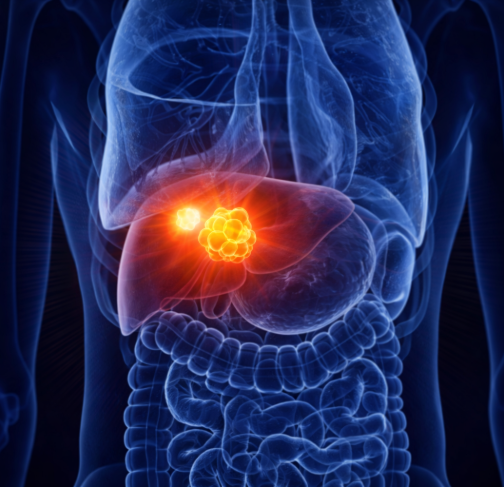
Liver cancer develops when abnormal cells grow uncontrollably in the liver, an organ that plays a vital role in digestion, metabolism, and detoxification. The most common type of primary liver cancer is hepatocellular carcinoma (HCC), which arises from liver cells (hepatocytes). Less common types include intrahepatic cholangiocarcinoma and rare tumors such as angiosarcoma.
Liver cancer often develops in the setting of chronic liver disease and is frequently diagnosed at an advanced stage. At OncoClinic, we support you with appropriate diagnostics, clear explanations, and a personalized care plan tailored to your diagnosis, overall health, and goals.
Persistent or worsening symptoms should be evaluated by a healthcare professional.
Most liver cancers develop in patients with underlying chronic liver disease.
Routine screening is not recommended for people without liver disease.
Common screening methods include:
Liver cancer screening is recommended in high-risk individuals such as:
Liver cancer may be diagnosed through surveillance imaging or after symptoms prompt evaluation.
Diagnostic evaluation typically includes:
Assessment of underlying liver function is a critical part of diagnosis.
Staging of liver cancer considers both tumor extent and liver function.
Evaluation may include:
Staging describes how large the tumor is, how far the cancer has spread, and helps guide treatment selection:
At OncoClinic, liver cancer care is delivered through a multidisciplinary, patient-centered approach, integrating hepatology, oncology, surgery, and interventional radiology.
Surgery: Surgical removal of part of the liver may be an option for selected patients with early-stage disease and preserved liver function. When surgery is indicated, procedures are performed at our accredited partner hospitals under the direct coordination and supervision of our medical team, ensuring continuity and quality of care.
Liver transplantation: In selected patients with early-stage liver cancer and advanced liver disease, liver transplantation may offer the best chance for cure.
Locoregional therapies:
Systemic therapy: Systemic treatments include targeted therapy and immunotherapy and are used for advanced or unresectable disease.
Combined treatment strategies: Many patients benefit from a combination of locoregional and systemic therapies.
Palliative and supportive care: Supportive care focuses on symptom control, management of liver disease complications, nutritional support, and quality of life at all stages.
Liver cancer overview
American Cancer Society, 2026
Liver cancer – patient version
National Cancer Institute (NCI), 2026
NCCN clinical practice guidelines in oncology: hepatobiliary cancers
National Comprehensive Cancer Network (NCCN), latest version
Clinical practice guidelines: management of hepatocellular carcinoma
European Association for the Study of the Liver (EASL), 2018
Hepatocellular carcinoma
Llovet JM et al. – Nature Reviews Disease Primers, 2021