Popular Searches
- Cancer Types
- Treatment
Popular Searches
- Cancer Types
- Treatment

Popular Searches
Non-Hodgkin lymphoma (NHL) is a group of over 50 cancers that originate in lymphocytes, the white blood cells responsible for immune function.
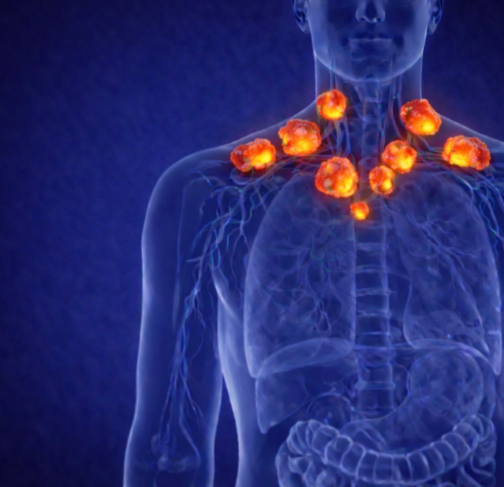
Non-Hodgkin lymphoma (NHL) is not a single disease but rather a group of over 50 different cancers that begin in lymphocytes, a type of white blood cell crucial for the immune system. NHL starts in the lymphatic system, which includes the lymph nodes, spleen, thymus, and bone marrow. The disease can occur in both B-cells or T-cells, the two primary types of lymphocytes.
The cancer can be categorized into two main types:
At OncoClinic, we focus on precise staging and subtype identification, ensuring the right treatment is offered to manage your specific lymphoma with the utmost care and attention.
Aggressive forms of NHL typically cause more noticeable symptoms, while indolent forms may remain symptom-free for longer periods. If any of these symptoms persist, it is essential to consult a healthcare provider for proper evaluation.
Non-Hodgkin lymphoma is usually diagnosed after symptoms appear or when abnormal findings, such as enlarged lymph nodes or unusual blood test results, are identified during medical evaluation for another reason.
Prompt medical evaluation is important if persistent symptoms such as swollen lymph nodes, unexplained weight loss, fever, night sweats, or ongoing fatigue develop.
There is no routine screening test for non-Hodgkin lymphoma, and screening is not recommended for the general population, even for most people at higher risk.
Individuals with conditions that increase risk, such as HIV infection, organ transplantation, or inherited immune disorders, are typically followed with regular medical care rather than screening tests.
Non-Hodgkin lymphoma is usually diagnosed after symptoms appear or when enlarged lymph nodes or abnormal test results are found during a medical evaluation. Diagnosis often involves a biopsy, in which a sample of lymph node or tissue is removed and examined to confirm the presence of lymphoma and identify the specific subtype. Additional tests, such as blood tests and imaging studies, may be used to assess overall health and determine the extent of disease.
Staging describes how far the lymphoma has spread in the body and helps guide treatment decisions. Non-Hodgkin lymphoma is staged from Stage I to Stage IV, based on the number and location of affected lymph nodes and whether organs outside the lymphatic system are involved. Early stages indicate limited disease, while advanced stages mean the lymphoma has spread more widely.
At OncoClinic, we provide comprehensive, personalized care for non-Hodgkin lymphoma patients, ensuring that treatment strategies are tailored to each individual's needs. Our services include:
Comprehensive diagnosis: We use molecular and genomic profiling to identify the specific NHL subtype, enabling us to provide a precise diagnosis and develop the most effective treatment plan.
Systemic therapies: Treatment may include chemotherapy, immunotherapy, or targeted therapy, depending on the lymphoma subtype and disease behavior. Aggressive lymphomas, such as diffuse large B-cell lymphoma or Burkitt lymphoma, often require intensive chemotherapy, while indolent lymphomas may be managed with less intensive approaches.
Immunotherapy and cellular therapies: For selected patients, immunotherapy options such as monoclonal antibodies, immune checkpoint inhibitors, or CAR T-cell therapy may be used, particularly in relapsed or treatment-resistant disease.
Radiation therapy: Radiation therapy may be recommended in certain situations, including early-stage disease, bulky lymph nodes, or to relieve symptoms caused by localized lymphoma involvement.
Stem cell transplantation: In cases of relapsed or refractory lymphoma, autologous or allogeneic stem cell transplantation may be considered as part of the treatment strategy.
Multidisciplinary care: Care is delivered by a team of specialists in hematology, oncology, radiology, pathology, and genetics. Comprehensive support services, such as nutritional counseling, psychological support, and symptom management, are provided throughout the treatment journey.
Support services: We provide a full range of support services, including nutritional counseling, psychological support, and symptom management, ensuring patients feel supported throughout their treatment journey.
Our experts are leaders in lymphoma research, and we focus on advancing treatment options to improve our patients' lives. Whether dealing with an indolent form of NHL or an aggressive variant, we ensure that each patient receives the best possible care based on the latest clinical developments.
Non-Hodgkin lymphoma overview
American Cancer Society, 2026
Treating non-Hodgkin lymphoma
American Cancer Society, 2026
Non-Hodgkin lymphoma – patient version
National Cancer Institute, 2026
Adult non-Hodgkin lymphoma treatment (PDQ®)
National Cancer Institute, 2026
NCCN clinical practice guidelines in oncology: B-cell lymphomas and T-cell lymphomas
National Comprehensive Cancer Network (NCCN) – NCCN, 2026
Non-Hodgkin lymphoma: ESMO clinical practice guidelines
ESMO Guidelines Committee – ESMO, 2026
Diffuse large B-cell lymphoma
Coiffier B et al. – The Lancet, 2010
WHO classification of tumours of haematopoietic and lymphoid tissues
Swerdlow SH et al. – IARC, 2017
Chimeric antigen receptor T cells in refractory B-cell lymphomas
Schuster SJ et al. – New England Journal of Medicine, 2017
Outcomes in refractory diffuse large B-cell lymphoma
Crump M et al. – Blood, 2017
Recommendations for initial evaluation, staging, and response assessment of lymphoma
Cheson BD et al. – Journal of Clinical Oncology, 2014