Popular Searches
- Cancer Types
- Treatment
Popular Searches
- Cancer Types
- Treatment

Popular Searches
Melanoma is a type of skin cancer that develops from melanocytes, the cells that produce melanin, the pigment that gives skin its color.
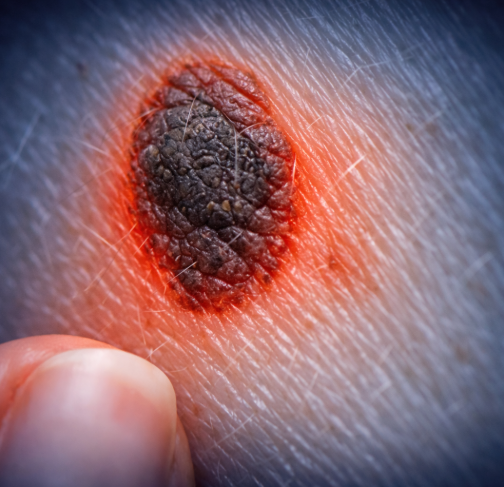
Melanoma is a type of skin cancer that develops from melanocytes, the cells that produce melanin, the pigment that gives skin its color. Although melanoma is less common than other skin cancers, it is more aggressive and more likely to spread to other parts of the body if not detected early.
Melanoma most often develops on sun-exposed skin but can occur anywhere on the body, including areas not regularly exposed to sunlight, such as the soles of the feet, palms, nails, and mucous membranes.
At OncoClinic, we support you with appropriate diagnostics, clear explanations, and a personalized care plan tailored to your diagnosis, overall health, and goals.
The ABCDE rule helps identify suspicious moles:
Any suspicious skin change should be evaluated by a healthcare professional.
There is no formal population-based screening program for melanoma.
Early detection is strongly encouraged through:
People at higher risk may benefit from periodic dermatologic evaluations and total-body skin examinations, with dermoscopy or digital mole monitoring in selected cases.
Melanoma is diagnosed through skin examination and confirmed with a biopsy.
Diagnostic evaluation typically includes:
Staging determines how far the melanoma has spread and helps guide treatment decisions.
Staging evaluation may include:
Melanoma is staged from Stage I to Stage IV:
Early-stage melanoma is highly curable, while advanced stages require systemic treatment.
At OncoClinic, melanoma care is delivered through a multidisciplinary, patient-centered approach that involves dermatology, oncology, surgery, and pathology.
Surgery: Surgical removal of the melanoma is the main treatment for early-stage disease. When surgery is indicated, procedures are performed at our accredited partner hospitals under the direct coordination and supervision of our medical team, ensuring continuity and quality of care.
Immunotherapy: Immunotherapy is a cornerstone of treatment for advanced melanoma and works by enhancing the body’s immune response against cancer cells.
Targeted therapy: Used in patients whose tumors have specific genetic mutations, such as BRAF mutations.
Combined treatment strategies: Some patients benefit from a combination of surgery, immunotherapy, and/or targeted therapy.
Palliative and supportive care: Supportive care focuses on symptom control, emotional support, and quality of life at all stages of disease.
Melanoma skin cancer overview
American Cancer Society, 2026
Melanoma – patient version
National Cancer Institute (NCI), 2026
NCCN clinical practice guidelines in oncology: cutaneous melanoma
National Comprehensive Cancer Network (NCCN), latest version
Melanoma staging: AJCC 8th edition
Gershenwald JE et al. – CA: A Cancer Journal for Clinicians, 2017
Targeted agents and immunotherapies in melanoma
Luke JJ et al. – New England Journal of Medicine, 2017