Popular Searches
- Cancer Types
- Treatment
Popular Searches
- Cancer Types
- Treatment

Popular Searches
Gastric cancer, also known as stomach cancer, develops when abnormal cells grow uncontrollably in the lining of the stomach.
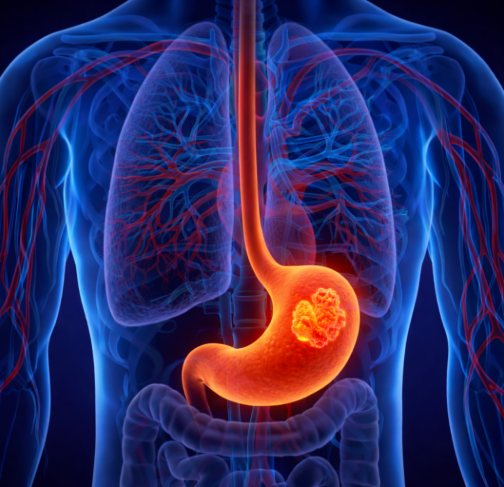
Gastric cancer, also known as stomach cancer, develops when abnormal cells grow uncontrollably in the lining of the stomach. Over time, these cells can form a tumor and spread to other parts of the body.
Most gastric cancers are adenocarcinomas, arising from the glandular cells of the stomach lining. Less common types include lymphomas, gastrointestinal stromal tumors (GISTs), and neuroendocrine tumors.
At OncoClinic, we support you with appropriate diagnostics, clear explanations, and a personalized care plan tailored to your diagnosis, overall health, and goals.
Symptoms that persist or worsen over time should be evaluated by a healthcare professional.
Routine population-based screening for gastric cancer is not recommended worldwide, but practices vary by region. In countries with high incidence (such as Japan and South Korea), organized screening programs using endoscopy or radiographic methods are implemented and have been shown to improve early detection. In low-incidence regions, routine screening is not recommended for the general population.
Targeted surveillance may be considered for individuals at higher risk, such as:
Patients concerned about their risk should discuss screening options with a healthcare provider.
Gastric cancer is usually diagnosed after symptoms prompt medical evaluation or when abnormalities are found during imaging or endoscopy.
Diagnostic evaluation typically includes:
Additional tests may be used depending on clinical finding
Once gastric cancer is confirmed, staging determines how far the disease has spread and guides treatment planning.
Staging evaluation may include:
Gastric cancer is staged from Stage I to Stage IV:
At OncoClinic, gastric cancer care is delivered through a multidisciplinary, patient-centered approach. Treatment plans are individualized based on tumor stage, molecular characteristics, and overall health.Treatment options may include:
Surgery: Surgical removal of part or all of the stomach is the main curative treatment for localized gastric cancer, often combined with lymph node dissection.
Chemotherapy: Used before surgery (neoadjuvant), after surgery (adjuvant), or as the main treatment in advanced disease.
Radiation therapy: May be used in selected cases, often combined with chemotherapy, particularly for locally advanced disease.
Targeted therapy: Includes treatments such as HER2-targeted agents for tumors with specific molecular features.
Immunotherapy: Used in selected patients with advanced or metastatic gastric cancer, based on molecular and biomarker testing.
Combined treatment strategies: Many patients benefit from a coordinated combination of surgery, chemotherapy, radiation therapy, targeted therapy, or immunotherapy.
Palliative and supportive care: Focused on symptom relief, nutritional support, and quality of life at all stages of disease.
American Cancer Society, 2026
Gastric cancer – patient version
National Cancer Institute (NCI), 2026
NCCN clinical practice guidelines in oncology: gastric cancer
National Comprehensive Cancer Network (NCCN), latest version
Smyth EC et al. – The Lancet, 2020
Japanese gastric cancer treatment guidelines
Japanese Gastric Cancer Association, 2021
Gastric cancer, version NCCN guidelines
Ajani JA et al. – Journal of the National Comprehensive Cancer Network, 2022
ESMO clinical practice guidelines for gastric cancer
Lordick F et al. – Annals of Oncology, 2022