Popular Searches
- Cancer Types
- Treatment
Popular Searches
- Cancer Types
- Treatment

Popular Searches
Testicular cancer is a rare type of cancer that begins in the testicles, which are part of the male reproductive system.
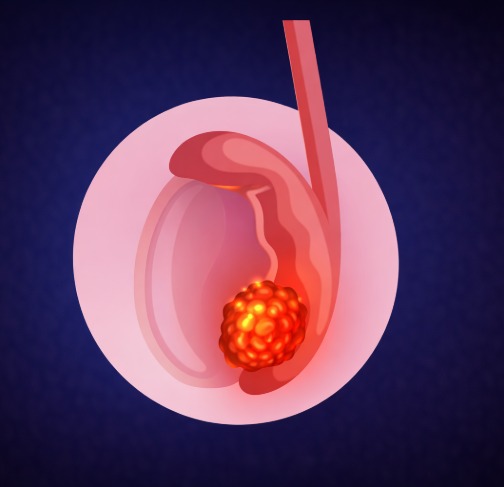
Testicular cancer is a rare type of cancer that begins in the testicles, which are part of the male reproductive system. The testicles are responsible for producing sperm and testosterone, the hormone responsible for male sexual development. Testicular cancer typically affects young men, particularly those between the ages of 15 and 35, though it can occur at any age.
The majority of testicular cancers are germ cell tumors, arising from the cells that produce sperm. These tumors are broadly classified into two main types:
The reassuring news is that testicular cancer is one of the most highly curable solid cancers, especially when diagnosed at an early stage. At OncoClinic, we provide accurate diagnostics, clear explanations, and a personalized plan tailored to your diagnosis and goals.
Not all men with these symptoms have testicular cancer, but if any persist, seek medical evaluation promptly as early diagnosis is key to successful outcomes.
Testicular cancer can develop in men of any age, but it is most common in younger men. Many men who develop testicular cancer have no known risk factors.
There is no formal population-based screening program for testicular cancer. However, unlike many other cancers, testicular cancer is often detected early because it is easy to examine and the symptoms are usually noticeable.
Testicular cancer is most often suspected when a man notices a painless lump, swelling, or change in size or firmness of one testicle. Symptoms may also include a feeling of heaviness in the scrotum or, less commonly, pain.
Diagnostic evaluation includes:
These markers help support the diagnosis, guide treatment, and assess prognosis:
Staging is performed after orchiectomy and is based on pathological findings, tumor markers, and imaging studies. Staging investigations include:
Accurate diagnosis and staging are essential for selecting appropriate treatment and achieving the excellent cure rates associated with testicular cancer.
At OncoClinic, we provide comprehensive care for patients with testicular cancer. Our multidisciplinary team ensures that each patient receives a personalized and effective treatment plan, based on established standards of care. Our services include:
Personalized treatment plans: Each patient’s treatment is tailored according to the type and stage of testicular cancer, ensuring an individualized and evidence-based approach.
Fertility preservation: Fertility preservation is discussed with all patients prior to treatment. Options such as sperm banking are offered when appropriate, recognizing the young age of many patients affected by testicular cancer.
Surgery: Surgical management, including radical inguinal orchiectomy, is a cornerstone of treatment and is performed in collaboration with our accredited partner hospitals, ensuring high standards of surgical care and continuity of treatment.
Systemic therapy: When indicated, we provide systemic treatments such as chemotherapy, which is highly effective in testicular cancer and used according to disease stage and histology.
Radiation therapy: For selected patients with seminoma, radiation therapy may be used as part of the treatment strategy to reduce the risk of recurrence.
Multidisciplinary care: Our team includes urologists, medical oncologists, radiation oncologists, nurses, fertility specialists, and psychosocial care professionals who work collaboratively to deliver coordinated and compassionate care.
Support services: We offer comprehensive supportive care services, including psychosocial support, nutritional counseling, and survivorship care, to address the physical and emotional needs of patients throughout their treatment journey.
We are committed to delivering high-quality, patient-centered care and achieving excellent outcomes for individuals diagnosed with testicular cancer through personalized treatment strategies and multidisciplinary collaboration.
EAU guidelines on testicular cancer
European Association of Urology, latest update
NCCN clinical practice guidelines in oncology: testicular cancer
National Comprehensive Cancer Network (NCCN), latest version
Curing metastatic testicular cancer
Einhorn LH – Proceedings of the National Academy of Sciences, 2002
Testicular cancer, version 2.2025, NCCN clinical practice guidelines in oncology
Gilligan T et al. – Journal of the National Comprehensive Cancer Network, 2025
Testicular seminoma and non-seminoma: ESMO–EURACAN clinical practice guidelines
Oldenburg J et al. – Annals of Oncology, 2022