Logo

CT Scan

Fast, detailed cross-sectional imaging for accurate cancer assessment.
contact-img

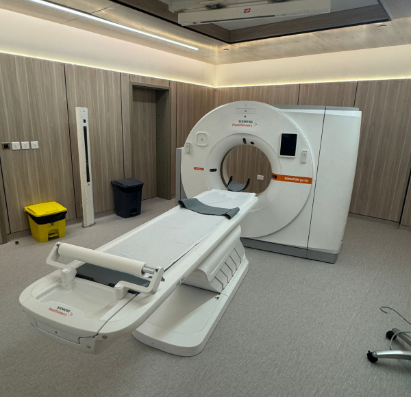
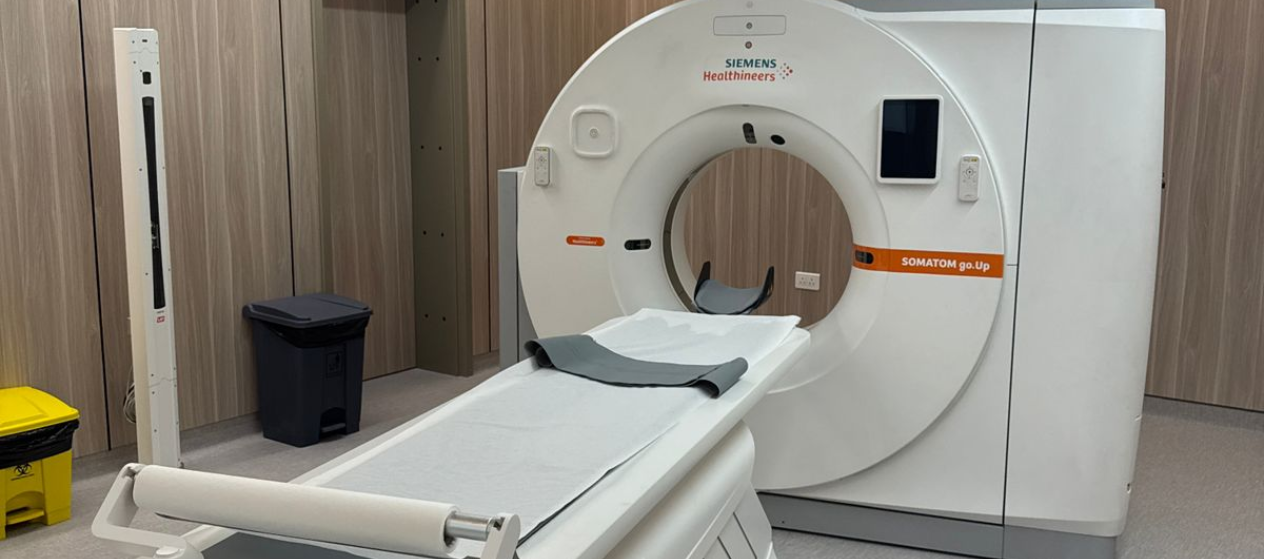
Computed Tomography (CT) is a fast, non-invasive imaging test that uses X-rays and advanced computer processing to create detailed cross-sectional images of the body. CT is a widely used imaging modality in oncology, particularly valued for its speed, accessibility, and excellent visualization of lungs, bones, and overall anatomical structures.

At OncoClinic, our state-of-the-art CT technology delivers high-resolution images that help our specialists detect, stage, and monitor cancer by clearly defining the size, shape, and location of tumors—supporting timely diagnosis and effective treatment planning.

What it visualizes best


  • Lungs and chest: Lung tumors, nodules, metastases, and treatment-related changes
  • Bones: Fractures, bone destruction, and cancer involvement of the skeletal system
  • Overall anatomy for staging: Assessment of tumor size, spread, and anatomical relationships
  • Emergency and urgent assessments: Rapid evaluation when time is critical
  • Guidance for procedures: Biopsy planning and image-guided interventions


While CT is commonly used to assess abdominal organs, MRI often provides superior characterization of lesions in the liver and adrenal glands.
shift-img

Benefits


  • Fast and efficient imaging, ideal for urgent assessments and rapid diagnosis
  • Accurate detection and staging to guide appropriate treatment decisions
  • Reliable monitoring of disease progression or response to treatment
  • Comfortable, non-invasive procedure with immediate return to normal daily activities

Limitations


  • Uses ionizing radiation, which may limit frequent repeated scans in some patients
  • Lower soft-tissue contrast compared to MRI, particularly for muscles, nerves, brain, liver, and adrenal glands
  • May require intravenous contrast, which may not be suitable for all patients
  • Provides anatomical rather than functional information, unlike PET-CT

Side effect profile


  • CT uses low-dose radiation, with diagnostic benefits that generally outweigh minimal risks
  • The scan is painless and non-invasive, with no recovery time required


Some patients may experience mild discomfort from lying still or being in an enclosed space; supportive options are available to ensure comfort.
