Logo

MRI

Detailed imaging of soft tissues, without radiation.
contact-img

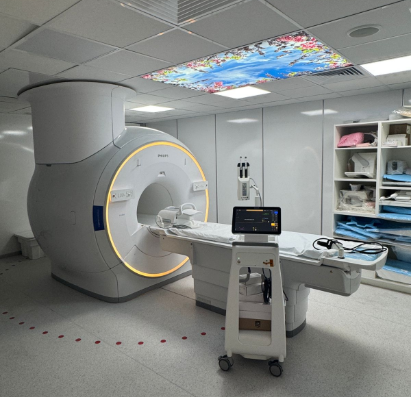
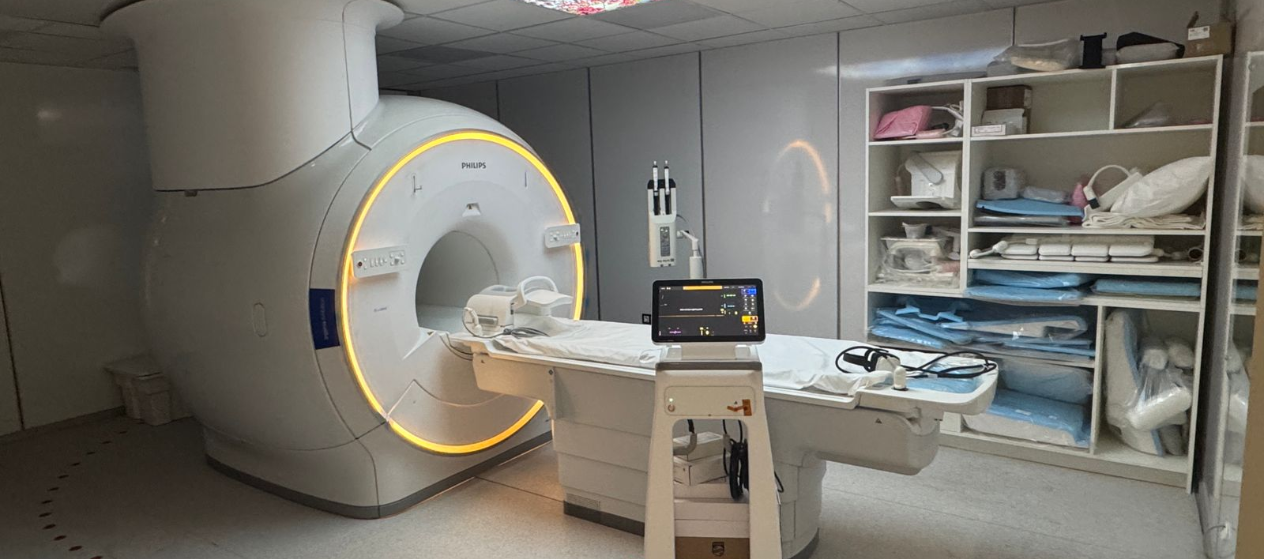
Magnetic Resonance Imaging (MRI) is a non-invasive imaging test that uses powerful magnetic fields and radio waves to produce highly detailed images of the body, without the use of ionizing radiation. MRI is widely regarded as the best imaging modality for assessing soft tissues, providing superior visualization of muscles, nerves, blood vessels, the brain, and the spinal cord.

At OncoClinic, we use advanced MRI technology to deliver exceptional image quality, allowing our specialists to accurately detect, stage, and monitor cancer—especially in areas where precise evaluation of soft tissues is critical for confident clinical decision-making. We also offer whole-body MRI (full-body MRI) for selected patients seeking a comprehensive, radiation-free screening approach. Our medical team will carefully determine whether this exam is appropriate based on individual risk factors, medical history, and personal goals.
What it visualizes best


  • Brain and nervous system: brain tumors, metastases, spinal cord, and peripheral nerves
  • Muscles and soft tissues: muscles, ligaments, tendons, and deep soft-tissue structures
  • Blood vessels (MR angiography): detailed evaluation of arteries and veins, often without the need for contrast
  • Pelvic organs: prostate, uterus, ovaries, and rectum, with excellent anatomical detail
  • Abdominal organs: particularly the liver, for accurate lesion characterization
shift-img

Benefits


  • No radiation exposure, making MRI safe for repeated examinations
  • Outstanding soft-tissue contrast for accurate tumor detection and staging
  • More precise treatment planning for surgery, radiation therapy, and other treatments
  • Reliable monitoring of treatment response over time

Limitations


While MRI is a highly advanced and powerful imaging tool, it does have some limitations:

  • Lungs: MRI is not the ideal exam for lung evaluation due to the presence of air and constant respiratory motion, which reduce image quality
  • Bone cortex: MRI evaluates bone marrow well but is less effective for cortical bone, where CT may be more appropriate
  • Time: Longer exam time compared to some other imaging modalities
  • Motion sensitivity: involuntary movements (such as breathing or heartbeat) can affect image quality, although modern techniques significantly reduce these effects

Side effect profile


  • The exam is painless and non-invasive
  • No recovery time is required—patients can return to normal activities immediately


Some patients may experience mild discomfort or anxiety in enclosed spaces, but our team provides supportive options to ensure comfort and relaxation throughout the procedure.
